Cuban Bakery Aurora CO: A Sweet Stop for Every Occasion
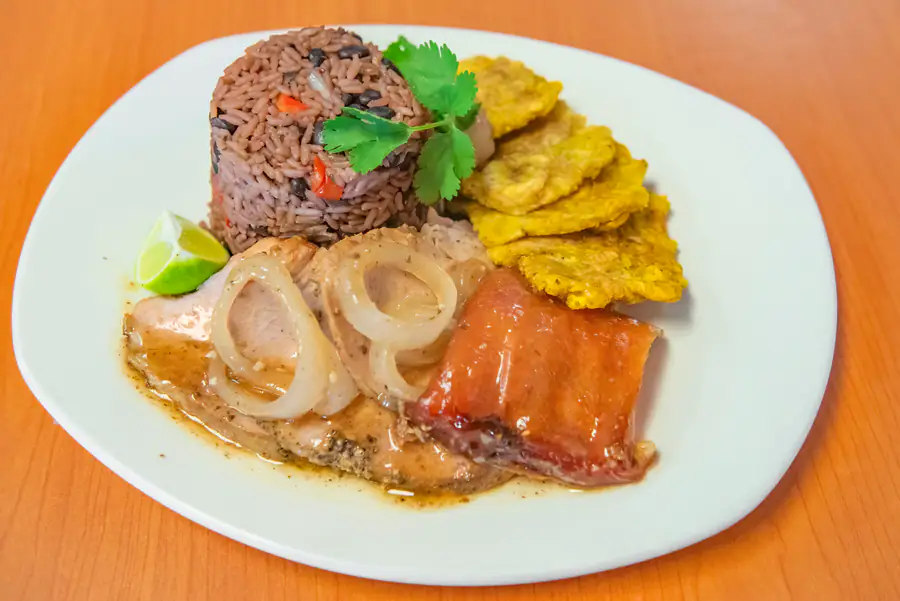
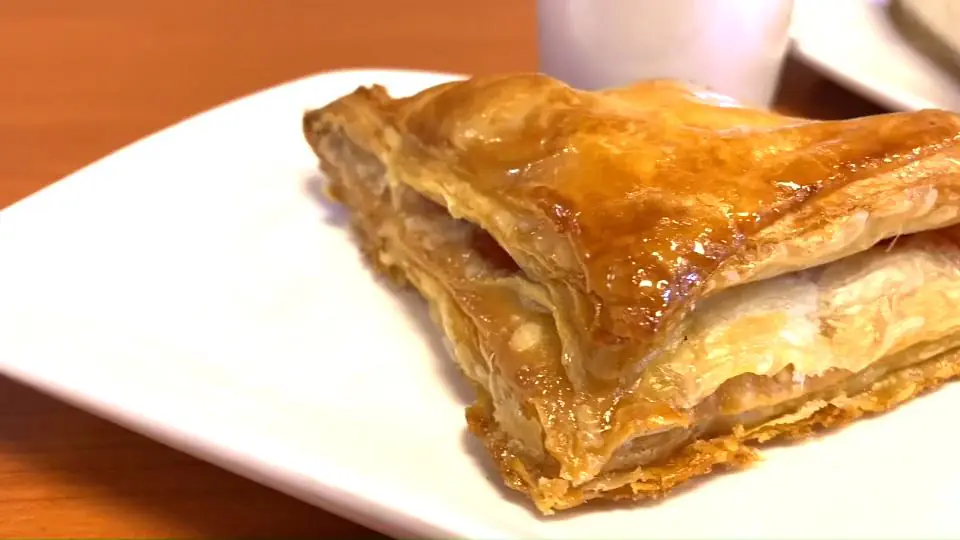
There are bakeries you visit because you need dessert, and there are bakeries you remember because they become part of your routines, celebrations, and cravings. A good Cuban bakery often falls into the second category. It is not just a place to pick up pastries. It is a place where butter, sugar, guava, espresso, and hospitality come together in a way that feels both practical and personal. For anyone looking for a Cuban bakery Aurora CO residents can return to for birthdays, office gatherings, family breakfasts, or a quick afternoon coffee, the appeal goes far beyond the display case.
What makes a Cuban bakery distinctive is not flash. It is balance. The best ones understand sweetness without excess, richness without heaviness, and variety without confusion. You might walk in planning to grab a loaf of Cuban bread and leave with pastelitos, croquetas, a small cake for later, and a cup of strong coffee you did not know you needed until the first sip. That kind of place earns loyal customers because it fits real life. It works for ordinary Tuesdays and milestone events alike.
Aurora’s food scene has grown steadily over the years, shaped by families, independent operators, and communities that bring their traditions with them. In that setting, a Cuban bakery stands out because it offers something deeply familiar to some customers and wonderfully new to others. It can be a point of nostalgia, discovery, or simple comfort, depending on who walks through the door.
Why Cuban bakeries leave such a lasting impression
A bakery can sell sweets and still feel forgettable. Cuban bakeries rarely do, because they operate at the intersection of flavor and ritual. Morning starts with café cubano and a pastry. Midday might call for a savory snack. Weekends often revolve around family visits, and that usually means bringing food. Celebrations demand cakes. Holiday tables need something generous and shareable. A strong bakery knows how to meet each of those moments without losing its identity.
That identity comes through in the details. The glass case usually tells a story at a glance. You see flaky layers dusted with sugar, guava fillings that bring brightness rather than just sweetness, custards with a soft, clean finish, and cakes decorated with old-school confidence. The savory side matters too. Ham croquettes, meat pastries, and pressed sandwiches can turn a bakery stop into a full meal. This is part of the appeal for anyone searching for a Cuban bakery Aurora CO locals can rely on. It is not a one-note business. It serves multiple needs well.
The sensory experience matters more than many owners realize. The smell of warm bread, the sheen on a fresh pastry, the crackle of a flaky crust, the tiny porcelain cup or paper cup of dark coffee, all of that creates memory. People may not always describe those elements in exact terms, but they remember how a place made them feel. That is why strong bakeries become family traditions so quickly.
The pastries that define the experience
Ask ten regular customers what they order first, and you will get ten different answers, but a few staples tend to anchor the menu. Pastelitos are often the gateway item. Made with layered pastry and fillings such as guava, cheese, coconut, or meat, they are approachable and deeply satisfying. The best versions are crisp at the edges, tender in the middle, and filled enough to matter without becoming messy. Guava and cheese remains one of the classic combinations because it is so well judged. The fruit brings brightness and the cheese tempers the sugar.
Then there are Cuban-style cakes, which deserve more attention than they sometimes get. These cakes are often lighter in texture than heavily frosted American bakery cakes. Many feature airy sponge, fruit filling, whipped icing, or combinations that feel celebratory without being overbuilt. If you grew up around them, the flavor profile can be instantly emotional. If you did not, the first surprise is often how easy they are to keep eating. They look festive, but they do not hit the palate like a brick.
Cookies and dessert bars also play a role, especially for customers who want something portable or less formal. Here, quality shows in restraint. A good bakery knows when to stop. Frosting should support, not bury. Fruit fillings should taste like fruit. Pastry should flake, not crumble into dry dust. Those are small distinctions, but they separate a bakery worth recommending from one that serves a generic sugar rush.
Savory items deserve equal billing. A bakery that can turn out good ham croquettes, empanadas, or stuffed pastries understands that most customers do not divide life neatly into sweet and savory. They want both. They may grab a pastry for now and a box for later. They may come in for a birthday cake and leave with lunch. That versatility is one reason the format works so well in a community setting.
Coffee is not an afterthought
One of the easiest ways to misread a Cuban bakery is to treat the coffee as secondary. It is not. Strong coffee is part of the rhythm of the place. Café cubano, cortadito, and café con leche each bring something different, but they all matter because they shape how the food is experienced. A sweet pastry with no coffee can feel one-dimensional. The same pastry with a bold, concentrated shot becomes balanced.
This matters in practical terms. When evaluating a bakery, I always pay attention to how the coffee station is handled. Is the espresso prepared with care or rushed through? Is the milk textured properly for drinks that need it? Does the sweetness in the coffee complement the pastry or fight with it? These are not fussy questions. They are basic signs of whether the bakery understands its own culture and menu.
A bakery that gets coffee right becomes useful in more moments of the day. It can serve morning commuters, remote workers looking for a break, grandparents meeting friends, and parents grabbing something while running errands. It becomes more than a dessert stop. It becomes part of local daily life, which is a different level of relevance.
Cakes for birthdays, showers, and family gatherings
Celebration cakes are where a Cuban bakery often proves its value. Everyday pastries are important, but custom or semi-custom cakes require planning, consistency, and judgment. A beautiful cake that cuts poorly or tastes dry is a disappointment no amount of decoration can fix. The bakeries that build strong reputations know this. They focus on texture, structure, and flavor first, then presentation.
For birthdays, the sweet spot is often a cake that pleases multiple generations. That sounds simple, but it takes skill. Children usually want something festive and easy to like. Adults often want a dessert that is not overly dense or cloying. Cuban-style cakes, especially those built around soft sponge and lighter finishes, can bridge that gap well. They feel special enough for a party yet accessible enough for a broad crowd.
Showers, anniversaries, office milestones, and church events all bring their own needs. In some cases, neat slicing and transport matter more than elaborate decoration. In others, https://caidenbssa706.nexorafield.com/posts/treats-worth-trying-at-a-cuban-bakery-in-aurora-co visual impact counts. A bakery that asks the right questions can guide customers toward the best option, whether that means a sheet cake for easy service, a round cake for a smaller gathering, or a dessert assortment that offers flexibility. That consultative piece is often overlooked, but it is one of the strongest markers of a professional operation.
If you are ordering for a group, freshness and timing matter as much as flavor. The best practice is to call ahead, ask what needs advance notice, and confirm pickup details clearly. Not every bakery produces every item all day long. That is not a flaw. It is often a sign that items are made in batches rather than held endlessly. Knowing that helps customers order more successfully and avoid disappointment.
The role of bread, breakfast, and everyday comfort
While desserts get the attention on social media, daily bread is often what creates the most loyal regulars. A bakery that turns out good bread gives customers a reason to return several times a week, not just on holidays. Cuban bread has a particular place in that equation. Fresh, lightly crisp outside, tender inside, and ideal for sandwiches or table service, it fills a practical need that many households appreciate.
Breakfast service can be equally important. A strong morning offering changes the bakery from an occasional treat into a dependable stop. Toasted bread, savory pastries, croquettes, sandwiches, and coffee can carry a busy customer through the first half of the day. For families, it can simplify weekends. For workers, it can become a standing ritual. In both cases, consistency wins.
I have always thought the most revealing time to visit a bakery is mid-morning on a non-holiday weekday. That is when you see whether the place functions well outside of rushes and celebrations. Is the staff attentive without being stiff? Are the trays refreshed? Are regular customers greeted like familiar faces? Does the coffee still taste right after the early wave? Those moments tell you more than a packed Saturday ever will.
What to look for in a quality Cuban bakery
If you are choosing a bakery for the first time, especially if you need it for an event rather than a casual stop, a few signs tend to separate dependable shops from average ones:
- The pastry case looks fresh, not tired or overhandled.
- The coffee program appears active and intentional.
- Savory and sweet items both receive attention.
- Staff can answer basic questions about flavors, lead times, and portioning.
- The shop has a steady rhythm of regulars, which usually signals trust.
None of those points guarantee perfection, but together they offer a useful read. A bakery can have beautiful packaging and still miss on flavor. It can also have a modest storefront and produce excellent food. The key is whether the operation feels practiced, focused, and honest about what it does well.
Why a Cuban bakery fits so many occasions
Part of the enduring charm of a Cuban bakery is its range. A donut shop is usually about donuts. A cake boutique is usually about cakes. A café may do coffee well but treat food as support. A Cuban bakery often covers all of those needs at once, and that makes it unusually flexible.
Take a typical month. Someone stops in on a Friday for pastries to bring home. The next week, they order a cake for a child’s birthday. A few days later, they pick up croquettes and coffee before work. Then a relative visits from out of town, and the bakery becomes an easy place to show a little local flavor. Very few businesses can move between those roles naturally. This one can.
That flexibility matters in Aurora, where households are busy and varied. Some customers are looking for familiar Cuban flavors. Others simply want a bakery with stronger coffee, better pastry, and more character than a chain. Both groups can be served well by the same shop. In fact, that overlap is often where a bakery becomes most successful. It honors its roots while remaining welcoming to anyone curious enough to walk in.
There is also a practical budget advantage. A bakery visit can scale. It can be a three-dollar coffee and pastry, or it can be catering for a large family gathering. Customers appreciate businesses that can meet them where they are. Not every occasion requires a custom cake and not every budget allows one. Sometimes a mixed pastry box does the job beautifully.
Ordering smart for events and larger groups
When customers are planning for a gathering, a little strategy helps. The most common mistake is waiting too long, especially around holidays, graduation season, and major family weekends. Bakeries can only produce so much in a day, and the most popular items tend to go first. Calling ahead is not overthinking it. It is usually the difference between getting exactly what you want and settling for what is left.
It also helps to think about your audience. A tray of assorted pastries works well when tastes vary and people will be eating casually. A decorated cake works better when there is a central moment, candles, photos, or a formal dessert cut. Savory items can make a morning event feel more complete, especially if guests are arriving over a window of time rather than all at once.
For office settings, portability and portion control matter more than people expect. Messy fillings, oversized slices, and delicate finishes can be less practical in a conference room than they are at home. This is where a bakery with experience can guide you toward options that travel better and serve cleanly. Good recommendations are part of good service.
The emotional pull of familiar flavors
Food businesses often talk about authenticity, but customers usually respond more to sincerity than to slogans. A Cuban bakery resonates because the flavors are tied to memory. Guava pastry may remind one person of childhood breakfasts, another of a grandparent’s kitchen, and another of the first neighborhood bakery that felt like home after a move. Those associations are powerful, and they cannot be manufactured through branding alone.
At the same time, the bakery experience does not depend on nostalgia. Newcomers can love it just as quickly. The combinations make sense on their own terms. Flaky pastry, fruit, cheese, espresso, and soft cake are not difficult foods to enjoy. What often surprises first-time visitors is how complete the experience feels. They came in expecting dessert and discovered breakfast, lunch, coffee, and a bit of culture at the same time.
That is why the phrase Cuban bakery Aurora CO means more than a search term when it is attached to the right business. It reflects a place that can serve a neighborhood in practical, generous, everyday ways. It can be where birthdays are ordered, where coffee habits are formed, where hosts stop before gatherings, and where out-of-town guests get introduced to something memorable.
A place worth returning to
A truly good bakery does not need to chase trends every season. It needs to make people want to come back. That comes from freshness, consistency, warmth, and the confidence to do classic things well. In a Cuban bakery, that might mean a guava pastry with the right balance of crispness and filling, a cake that disappears faster than expected at a party, or a coffee strong enough to reset a long day. Small wins add up.
Aurora is the kind of city where local food businesses can still build real community if they offer quality and stay dependable. A Cuban bakery is especially well positioned to do that because it fits so many parts of life at once. It can satisfy a sweet tooth, solve a party dessert problem, provide breakfast on a rushed morning, and offer a familiar taste that customers begin to miss the minute they leave.
For anyone searching for a Cuban bakery Aurora CO families, professionals, and hosts can count on, the right choice is usually the one that feels busy for good reason, smells like butter and espresso, and sends people out the door carrying more than they planned to buy. That is rarely an accident. It is the mark of a bakery that understands both craft and customers, and that kind of place tends to become indispensable.
Cuba Bakery & Café
15028 E Mississippi Ave, Aurora, CO 80012
+1 303-752-2822
FAQ About Cuban bakery Aurora CO
What are Cuban pastries called?
Many small Cuban pastries are called pastelitos. They can have sweet or savory fillings, such as guava, cheese, guava and cheese, or seasoned meat. Cuba Bakery & Café lists guava, cheese, guava-and-cheese and beef pastries on its menu. Ask the bakery about current availability and ingredients when ordering.
What are traditional Cuban pastries?
Common Cuban bakery choices include flaky pastelitos filled with guava, cheese or meat. Cuban bakeries may also offer empanadas, breads and desserts alongside coffee. Cuba Bakery & Café lists pastelitos, several empanada fillings, pan Cubano and desserts such as tres leches and bread pudding. Selection can vary, so confirm the day's choices with the bakery.
What makes Cuban bread different?
Cuban bread is known for its light interior and a thin crust that becomes crisp when toasted or pressed. Traditional recipes often use lard, although ingredients vary by baker. It is commonly served as buttered toast or used for Cuban sandwiches. Cuba Bakery & Café lists pan Cubano and tostada on its menu; ask staff about the ingredients in their bread if you have dietary restrictions.